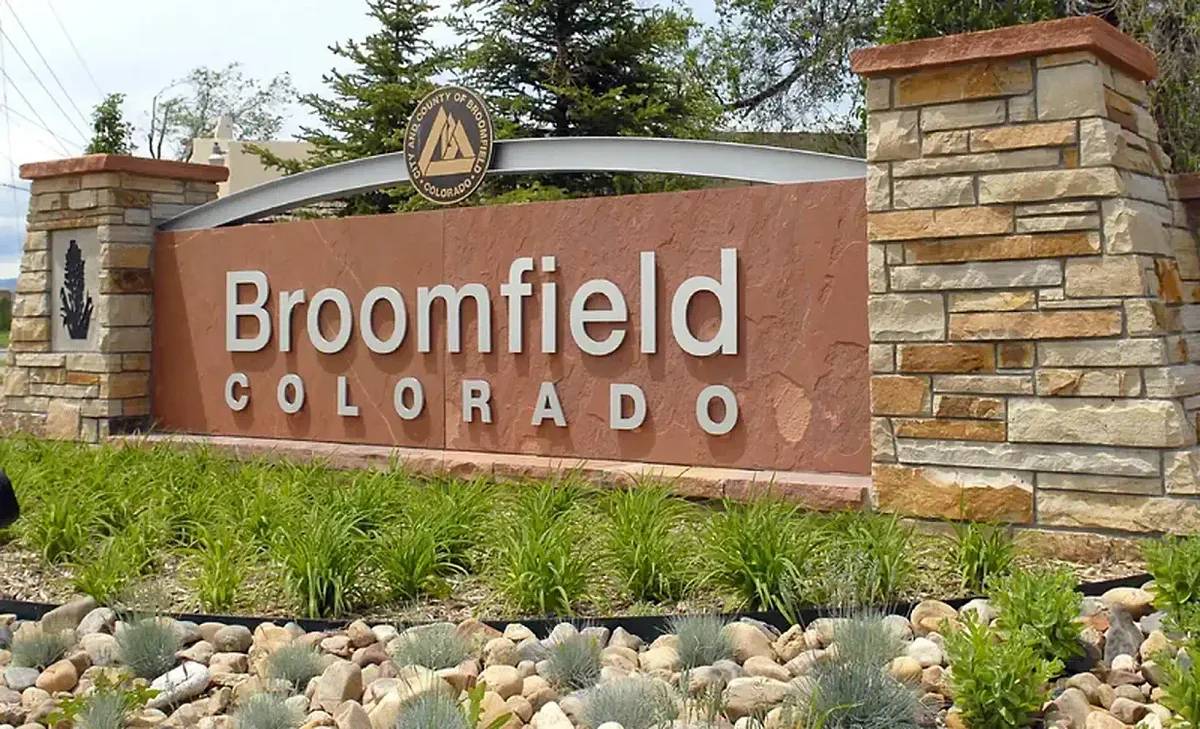
Broomfield, Colorado
Dryer Vent Cleaning in Broomfield, CO
Lint cleared from the dryer duct to the outside hood, airflow tested, and a firm price before we start. Family-owned, based in Superior.
What's your dryer vent doing?
- Firm Quote FirstApproved by you before any work
- 90-Day WarrantyParts & labor
- Open 24/7Same-day service often available
- Local & Family-OwnedBased in Superior
Dryer Vent Repair • Broomfield
Lint Has a Way of Piling Up Out of Sight
Nobody plans a weekend around the vent behind the dryer, yet it decides whether a load of towels finishes in one cycle or three. We clean the whole exhaust path: the transition duct behind the machine, the vent run through the wall, floor or roof, and the exterior hood, and then we confirm the flap opens freely. That applies to houses, condos, townhomes and rentals across Broomfield, because each one routes its exhaust differently. Your technician looks at the full path rather than just the first foot of duct.
We're a small family business working out of a single office in Superior, just off US-36, which makes us your neighbors instead of a far-off dispatch center. A restricted vent quietly taxes the whole machine: loads take longer, the heating element and thermal fuse work harder, and built-up lint adds a fire hazard. You get a firm quote before any work begins, and if the dryer itself turns out to need repair, the $85 diagnostic visit is credited toward that repair.
Right Now
Overheating or Burnt Smell: Do This Today
If the dryer is blistering hot or the room smells like scorched fabric, the machine stays off while you work through these four steps.
31%
Home dryer fires where failure to clean was the leading factor (2018–2020)
Wall outlet
Plug major appliances in directly — never an extension cord
- 1Pull the plug or flip the breakerStop the cycle, then unplug the dryer or switch off its breaker so it can't restart on its own. Let it cool before you touch the drum or the duct.
- 2Gas dryer and a gas smell: go outsideIf your dryer runs on gas and you notice a gas smell, leave the house before doing anything else. Leave switches, outlets and the dryer alone, and once you're outside, call 911 or your gas utility.
- 3Keep it parked until the vent is checkedThe U.S. Fire Administration lists 'failure to clean' (31%) as the leading factor contributing to the ignition of clothes dryer fires in homes from 2018–2020, based on National Fire Incident Reporting System data. Running a hot, restricted dryer again to see what happens is not worth the risk, so leave it off until the vent and dryer are inspected.
- 4Make space, then call or textMove baskets, clothing and cleaning products away from the machine, and once everything is safe, book online or call or text (720) 285-3573. Tell us what you smelled and when, because that helps your technician arrive prepared.
Source: U.S. Fire Administration — Appliance and Electrical Fire Safety.
Common Problems
Six Laundry Room Clues That Point to the Vent
Each row pairs a symptom with the usual suspects from general dryer knowledge; your technician confirms the real cause by inspection and airflow testing before quoting anything.
Jeans and towels need a second run
- Likely causes
- Lint packed in the vent run or a transition duct crushed behind the dryer keeps damp air inside the drum. A closed or half-open flap at the exterior hood does the same thing.
- What we check
- We inspect the dryer, transition duct, full vent run and hood, then check how freely air leaves at the end of the line. We also confirm the dryer is heating normally.
- Typical fix
- We remove lint from the duct and hood, replace a crushed or foil transition duct if needed, and retest the airflow.
Warm, humid air in the laundry room
- Likely causes
- Exhaust that cannot leave the house backs up into the cabinet and leaks through loose joints. A duct that has slipped off its connection can also release moisture into a wall cavity or ceiling.
- What we check
- We look for loose or disconnected joints, damp lint trails and a blocked hood. We also check how much air actually reaches the outside.
- Typical fix
- We secure the connections, clear the blockage and confirm the air now travels outdoors.
Faint burnt-toast smell mid-cycle
- Likely causes
- When lint sits close to the heat source or builds up inside a clogged duct, it can scorch, so treat that smell as a warning sign, not just an annoyance. A dryer that runs hot because it cannot exhaust makes the risk worse.
- What we check
- With the dryer off and unplugged, we look for lint around the exhaust outlet and in the duct, and we check for signs of heat damage.
- Typical fix
- We clear the lint from the vent, correct the restriction, and tell you plainly if any part needs repair before the dryer runs again.
Dryer stops heating before the timer ends
- Likely causes
- Restricted airflow lets the drum overheat until a high-limit thermostat shuts off the heat or a thermal fuse opens. The drum may keep tumbling without warming at all.
- What we check
- We test the thermostat and fuse with a meter and check the airflow, since a restricted vent is a common reason these parts trip.
- Typical fix
- We clear the vent first, then replace a failed thermal fuse or thermostat with genuine OEM parts if testing shows one has failed.
Vent warning flashing on the control panel
- Likely causes
- Many newer dryers sense restricted exhaust and show a vent or airflow message when lint, a kinked duct or a covered hood limits the flow. A few codes can also point to a sensor rather than the vent itself.
- What we check
- We read the code, test the airflow through the vent, and check the sensor if the vent proves clear.
- Typical fix
- We clear the restriction and reset the dryer; if the code returns with a clear vent, we quote the sensor or control repair separately.
Nest material or a draft at the exterior hood
- Likely causes
- A bird nest, packed lint, a fine screen or ice can pin the flap shut, while a flap that hangs open lets cold air and nesting birds in.
- What we check
- We open up the hood, watch how the flap moves, and look at whether the cover or screen suits dryer exhaust.
- Typical fix
- We clear the hood, free the flap, and suggest a replacement cover if the current one keeps clogging.
Roof, Wall & Long Vents
How the Route Out of Your House Changes the Work
A vent is only as easy to clean as its route is simple. These layouts show what each one asks of us, and which small checks stay safely in your hands.
Dryers Against an Outside Wall
When the dryer backs onto an exterior wall, the vent is often a short, nearly straight shot to the hood, which is the easiest route to brush and vacuum clean. Lint still gathers at the transition duct and the hood, so short does not mean maintenance-free. You can safely watch the flap from outside during a load and wipe lint from the screen housing with the power off. Anything inside the wall is a job for us.
Vents That Climb, Bend or Cross the House
Homes with upstairs or interior laundry rooms may route the exhaust through floors, joists or an attic to a roof cap. Every elbow slows the air and gives lint another place to settle, and a roof exit has to push damp air upward the whole way. These runs take more time and longer tools, and they are work for a technician rather than a homeowner with a ladder. If you are unsure where your vent exits, note what you can see and tell us when you book.
Condo and Townhome Routes You Can't See
In attached homes, the vent frequently runs sideways through shared walls or climbs up through a ceiling, and the outside hood can end up in a spot that's easy to overlook. Stacked washer and dryer pairs leave only a narrow gap for the transition duct, so it can get pinched behind the machines. Making sure the dryer is not pushed hard against the wall is a fair homeowner check, but separating stacked units is not. When you schedule, let us know about any shared access or building rules so we can plan the visit around them.
What a Starved Dryer Does to Its Own Parts
When a dryer can't exhaust, every load runs longer and hotter, putting strain on the heating element, the thermostats and the thermal fuse. The exterior hood matters as much as the duct, because a clogged flap or a fine screen can choke airflow even when the pipe inside is clean. Clearing the vent early is often kinder to those parts than replacing them after repeated overheating. If the dryer keeps tripping its heat, stop running it and call us.
Recognize the Problem?
Book Dryer Vent Cleaning in Broomfield
Tell us what's happening — we'll call you back to confirm a time.
(720) 285-3573Broomfield Homes
What Broomfield's Housing and Climate Ask of a Vent
The city's building history, its dry mountain-edge climate and its spot between Denver and Boulder each change what a dryer vent has to put up with.
Established Streets and Newer Neighborhoods
Broomfield grew from a small town starting in the 1960s and then expanded quickly through the 1990s and 2000s, so the housing here is a mix of established and much newer homes. In older houses the laundry hookup and vent may have been altered or extended over the years, and thin foil duct from an earlier remodel tends to sag and trap lint. Newer homes more often place the laundry upstairs or deep inside the floor plan, which means a longer run with more turns before the air reaches daylight.
Where Mornings Run Cold, About 5,300 to 5,400 Feet Up
With dry Front Range air for much of the year, clothes dry quickly when the vent is clear, so a slow load is an honest warning sign here. In winter, warm and damp exhaust meeting cold outdoor air can condense inside the duct and freeze around the outside flap, especially where lint has already roughened the surface. Dry air also encourages static, which helps fine fibers cling to duct walls. A glance at the hood after a cold snap is a small habit that pays off.
Condos, Rental Homes and the Interlocken Office Park
Rentals and condos change hands, and a vent's cleaning history rarely moves with the tenant, so a visit between leases gives the next household a clear start. Attached homes often send the vent a long way through shared walls or ceilings before it finds an outside wall. We also serve Interlocken, where a suite or shared building with a dryer on site has its own vent route to inspect. Our office in Superior sits on US-36, the same corridor that links Broomfield with Boulder and Denver.
Before You Call
Safe Steps to Take Before Calling Us
- 1Hold the lint screen up to the lightA screen that looks clean can still carry a film from dryer sheets or softener, and if you cannot see light through the mesh, a wash in warm soapy water followed by a full dry restores the airflow.
- 2Vacuum the screen slot with the dryer unpluggedLint slips past the screen into the housing below, and clearing what a crevice tool can reach improves airflow and shows you how quickly it builds.
- 3Find the outside hood and clear around itShrubs, snow or stored items in front of the hood can block it, and clearing them from the ground is a safe task that also tells your technician where to start.
- 4Skip dryer sheets for a few loadsSheets can leave a residue that clogs the screen, so if drying improves without them, you have learned something useful to pass along.
- 5Photograph the display and the hoodA picture of any code on the panel and of the exterior hood lets us plan tools and parts before we arrive, and it requires no moving of the machine.
What to Expect
From First Text to a Clear Exhaust Path
Your technician arrives during your scheduled window, inspects the dryer, transition duct, vent run and outside hood, clears out the lint, and checks airflow at the end of the run. If anything beyond the cleaning needs repair, you get a firm quote and a plain explanation of what we found before any further work begins.
- Diagnostic visit
- $85Credited toward the repair if you go ahead
- Your price
- Firm quoteApproved by you before any work
- Warranty
- 90 daysParts and labor
- Parts
- Genuine OEMMatched to your model number
Google Reviews
What Our Customers Say
5.0Every review on Google is five stars.
“Nick, the owner, is prompt, competent, persistent to make sure repair is complete, transparent and knowledgeable. I highly recommend his service.”
Stephen F.July 2026 · Google “Nick was great. Quickly narrowed down our likely washer problem and got the part ordered with deposit. Quick install and had washer working within few hours once part arrived. Great communication throughout. Would definitely use again!”
Nathan H.August 2026 · Google “They were great! Helpful, responsive and communicative. Highly recommend and will definitely use them again when I have an issue.”
Andrew T.September 2026 · Google
Membership
PointLine Care Club
One service call is $85. For $99 a year, every service call is free.
- Free service calls all year — no $85 fee
- 1 free maintenance visit a year
- 10% off labor on every repair
$99/ year
One household · renews yearly · cancel anytime before renewal
Property manager or landlord? See our Property Care Club →
Service Area
Broomfield ZIP Codes We Serve
Dryer Vent Cleaning at homes, condos and rentals in every part of Broomfield.
- 80020
- 80023
- 80021
Including Interlocken.
FAQ
Practical Answers About Vent Cleaning Here
Dryer Vent questions from Broomfield homeowners.
Do you cover addresses in 80020, 80023 and 80021?
Yes, we serve 80020 and 80023, as well as 80021, which Broomfield shares with neighboring areas. When you book, share your street address and we'll confirm that it's within our service area. Our office is in nearby Superior, so the trip is a familiar one.
Our newer house has the laundry upstairs; can the vent still be cleaned?
Usually yes, though the route decides how we go about it. Homes built during Broomfield's growth in the 1990s and 2000s often run the exhaust through floors or an attic to the roof or a side wall, which takes longer tools and more time. Your technician follows the path, tells you what is reachable, and quotes before starting.
Can a cold snap freeze the vent flap shut?
Yes, it can. In winter the warm, damp exhaust condenses at the hood and may freeze around the flap, especially where lint has built up. If the flap is not moving, stop the dryer and call us rather than prying at it.
Should a landlord clean the vent between tenants?
It is a sensible time to do it, since nobody can vouch for how long lint has been building. A visit between leases also hands the next household a clear vent. Whoever manages the property can book, and it helps to mention shared laundry or locked utility areas when you do.
Is a built-in or premium dryer pair harder to clean behind?
It takes more care, though the goal is the same. Stacked or cabinet-built units leave little room around the transition duct, so your technician moves them carefully, protects floors and finishes, and reconnects the duct securely. Tell us the brand and whether the units are built in when you book, whether the laundry is at home or in an Interlocken suite.
Loads just take a bit longer; how long can I wait?
A modest slowdown can wait a little, but it will not fix itself, because restrictions only grow. Book soon and try the screen and hood checks above in the meantime. If the dryer gets very hot, smells burnt or shuts off mid-cycle, stop using it and call.
More in Broomfield
Other Repairs We Handle in Broomfield
- Refrigerator Repair in Broomfield
- Freezer Repair in Broomfield
- Ice Maker Repair in Broomfield
- Wine Cooler Repair in Broomfield
- Washer Repair in Broomfield
- Dryer Repair in Broomfield
- Dishwasher Repair in Broomfield
- Oven Repair in Broomfield
- Wall Oven Repair in Broomfield
- Range & Stove Repair in Broomfield
- Cooktop Repair in Broomfield
- Microwave Repair in Broomfield
- Range Hood Repair in Broomfield
- Garbage Disposal Repair in Broomfield
- Commercial Appliance Repair in Broomfield
Ready to give your dryer room to breathe?
Call or text (720) 285-3573, or book online, and we will set up a visit from our office in Superior to clear the path.