Denver, Colorado
Oven Repair in Denver, CO
Gas, electric, convection and built-in ovens tested in your kitchen, with a firm quote before any work and genuine OEM parts.
What's your oven doing?
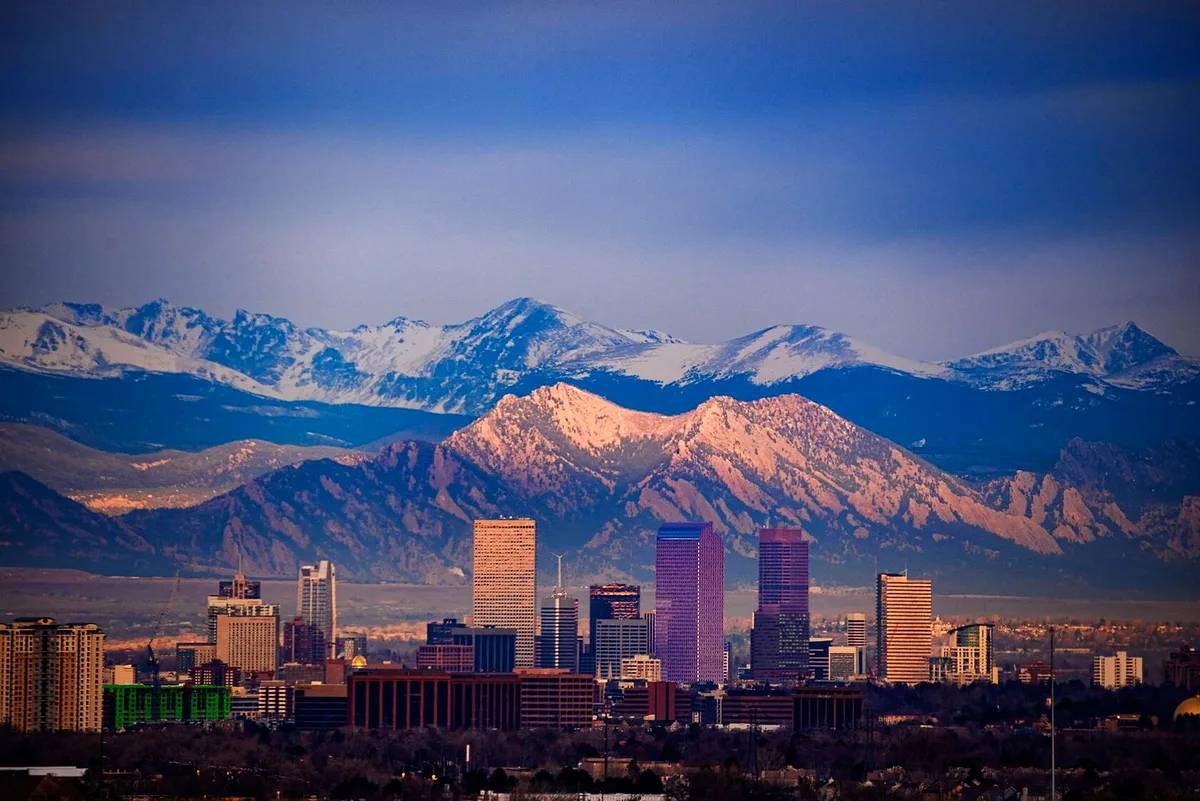
5.0— every review on Google
Read more reviews on Google“Nick was here today to fix a very old dryer and a newer stove. He arrived on time, was efficient, friendly, tidy and very reasonably priced. Having an older home, we've had many repairman over the years, this is one I would absolutely recommend!”
Joanne L. · Google “Nick came the same day I called! Had my oven door handle and gas stove fixed up in a jiffy, all with great communication and a friendly and helpful attitude. I'll definitely be calling him again for any appliance repair needs I have in the future.”
Suzanne N. · Google “This is a small owner-operated business, which is a big bonus as pricing is much more reasonable than using the chains or PE owned companies. Nick was accommodating, and installed a new evaporator fan in my GE Cafe fridge/freezer quickly and correctly. Highly recommend.”
Aaron F. · Google
- Firm Quote FirstApproved by you before any work
- 90-Day WarrantyParts & labor
- Open 24/7Same-day service often available
- Local & Family-OwnedServing Denver
Quick answer
PointLine Appliance Repair fixes gas, electric, convection and built-in ovens across Denver, from Washington Park to Central Park. Same-day service is often available. The $85 diagnostic is credited toward the repair, and every repair carries a 90-day parts and labor warranty. Call or text (720) 285-3573 24/7, or book online anytime.
Last updated
Oven Repair • Denver
Getting Dinner Back on Schedule
A refrigerator that hums a little loud can wait until the weekend, but an oven that won't hold heat changes tonight's menu. The roast sits raw in the middle, the sheet-pan vegetables steam instead of browning, and the birthday cake you promised turns into a store run. We repair gas, electric, convection and built-in ovens in houses, condos and rental units across Denver, whether the oven is part of a freestanding range or set into a wall of cabinets. PointLine is a small, family-owned company working across Denver, and we look after these kitchens as our own.
Ovens are worth fixing properly because the expensive parts rarely wear out. The steel cavity, the insulation and the door frame usually keep going long after an element, an igniter, a sensor or a latch gives up. That means most failures come down to one or two parts, and the real job is proving which ones before anything gets ordered. Your technician tests in place, explains the fault in plain words and gives you a firm price, so you decide with the facts in front of you.
Right Now
Gas Odor, Sparks or Fire: What to Do This Minute
When an oven turns hazardous, protecting people comes first and every repair question waits.
#1
Cooking is the leading cause of home fires and fire injuries
37%
Nonconfined cooking fires where unattended equipment was the leading factor
- 1Gas smell: leave first, call from outsideGet everyone out of the house right away, and don't flip light switches, unplug anything or touch the oven controls, since one spark can ignite gas. Once you are outside, call 911 or your gas utility. Don't go back in until they say it is safe.
- 2Sparking element: kill the breakerIf an element arcs, flares or glows in one bright spot, turn the oven off at its controls and then switch off its breaker at the electrical panel. Leave the breaker off until the oven has been inspected. Running it again to see what happens can damage the wiring or the control.
- 3Flames in the oven: keep the door shutTurn off the heat and leave the oven door closed so the fire runs out of air. Keep everyone back from the oven. If the flames don't die out quickly, leave the house and call 911.
- 4A baking sheet beats a panicThe U.S. Fire Administration (USFA) reports that cooking is, by far, the leading cause of home fires and home fire injuries, and that the leading factor in nonconfined home cooking fires was unattended equipment, at 37%. Stay in the kitchen while burners and the oven are on. Keep a pan lid or baking sheet nearby so you can slide it over a pan that catches fire.
Common Problems
Why Is My Oven Cold, Lopsided or Locked?
These patterns reflect how ovens are built in general. Your technician tests the suspect parts in your kitchen to confirm the real fault before you see a quote.
Preheat stalls and the cavity barely warms
- Likely causes
- On electric models, an open bake element, a failed hidden element under the oven floor, a temperature sensor out of range or a control relay that won't close are typical.
- What we check
- We measure element resistance, compare the sensor reading against its expected value and confirm the control is actually sending power to the bake circuit.
- Typical fix
- The usual repair is a new element, sensor or control board, followed by a full preheat to prove the oven reaches temperature.
No flame at the bake burner on a gas oven
- Likely causes
- An igniter can glow and still draw too little current to open the gas safety valve, so the burner never lights. A failing valve or a supply problem can produce the same symptom.
- What we check
- We check igniter current, test the safety valve and confirm gas is reaching the oven with the cooktop burners as a comparison.
- Typical fix
- Most often the igniter is replaced, and the valve only if testing shows it has failed too, then the burner is lit and watched through a full cycle.
Cookies dark on the back row, pale up front
- Likely causes
- A drifting temperature sensor, a weak bake or broil element, a convection fan that has slowed or a door gasket leaking heat can all tip the balance.
- What we check
- We read cavity temperature at several points, check the fan motor and element, and look along the gasket for gaps or flat spots.
- Typical fix
- Depending on what we find, that means a new sensor, element, fan motor or gasket, and sometimes a calibration adjustment per the manufacturer.
Broil setting gives no heat from above
- Likely causes
- The broil element may have an open circuit, the broil igniter on a gas oven may have weakened, or the control may have stopped powering that circuit.
- What we check
- We test the element or igniter directly and trace voltage from the control board to the broil connection.
- Typical fix
- A failed broil element or igniter is replaced in most cases, and the board only when it is clearly not sending power.
Self-clean is long over and the door is still trapped
- Likely causes
- Self-clean heat wears on the lock motor and lock switch, and a sensor that never reports a cooled cavity can keep the latch engaged.
- What we check
- We confirm the cavity is truly cool, then test the lock motor, the switch and the sensor signal the control relies on.
- Typical fix
- Replacing the lock assembly or the sensor usually frees the door, and we check that the latch now opens and closes on command.
Display flashes a code or the touchpad stops answering
- Likely causes
- A worn membrane keypad, a loose ribbon cable, a failing control board or a sensor reporting an out-of-range value are the common sources.
- What we check
- We read the code against the manufacturer's service information, reseat connections and test the keypad and board in place.
- Typical fix
- The fix is often a keypad, a cable or a sensor, with the control board replaced only when testing points to it.
Self-Clean, Calibration & Altitude
Cycles, Settings and Altitude: Sorting Quirks From Faults
Plenty of oven frustrations trace back to how a cycle works or how a recipe behaves at elevation. These notes help you tell the difference and know where your own checking should stop.
The Price of a Spotless Cavity
A self-clean cycle heats the oven far beyond any cooking temperature so baked-on spills turn to ash. That heat lands on the elements, the temperature sensor, the door lock and the control board all at the same time. Running the cycle as your manual directs, wiping heavy spills first and not stacking cycles back to back reduces the strain. If an oven fails right after a self-clean, that timing is a useful clue for your technician.
Door Latched After Cleaning? Wait, Then Judge
The latch is designed to stay engaged until the cavity drops to a safe temperature, and that can take longer than most people expect. Let the oven cool completely before deciding anything has broken. If the door still won't release once the oven is cold to the touch, the lock motor, the lock switch or a sensor is the likely cause. Never pry the door, since forcing it can bend the latch or crack the frame.
The Display Guesses, a Thermometer Knows
The number on the screen is the oven's own estimate of its temperature, not a measurement you can trust blindly. An inexpensive oven thermometer on the middle rack, read after a full preheat and a few minutes of settling, shows what is really happening. Many ovens allow a small calibration offset in the settings, and your manual explains how. If the reading is far off or keeps wandering, that points to a sensor or control fault rather than a setting.
Convection, Gas Setup and Recipes at 5,280 Feet
Some ovens automatically lower the set temperature in convection mode, which looks like an error if you aren't expecting it. Gas ovens may need a high-altitude setup specified by the manufacturer, and that adjustment belongs with a technician, along with anything involving gas valves, wiring or the control board. Sinking cakes and dry breads at a mile up are usually a recipe matter, fixed with altitude adjustments to the recipe rather than the oven. Your part is checking settings, reading a thermometer and watching for warning signs; the rest is ours.
From Our Own Jobs
Real Oven Repairs From Our Own Jobs
Real photos from our own service calls around the Denver Metro Area — not stock images.
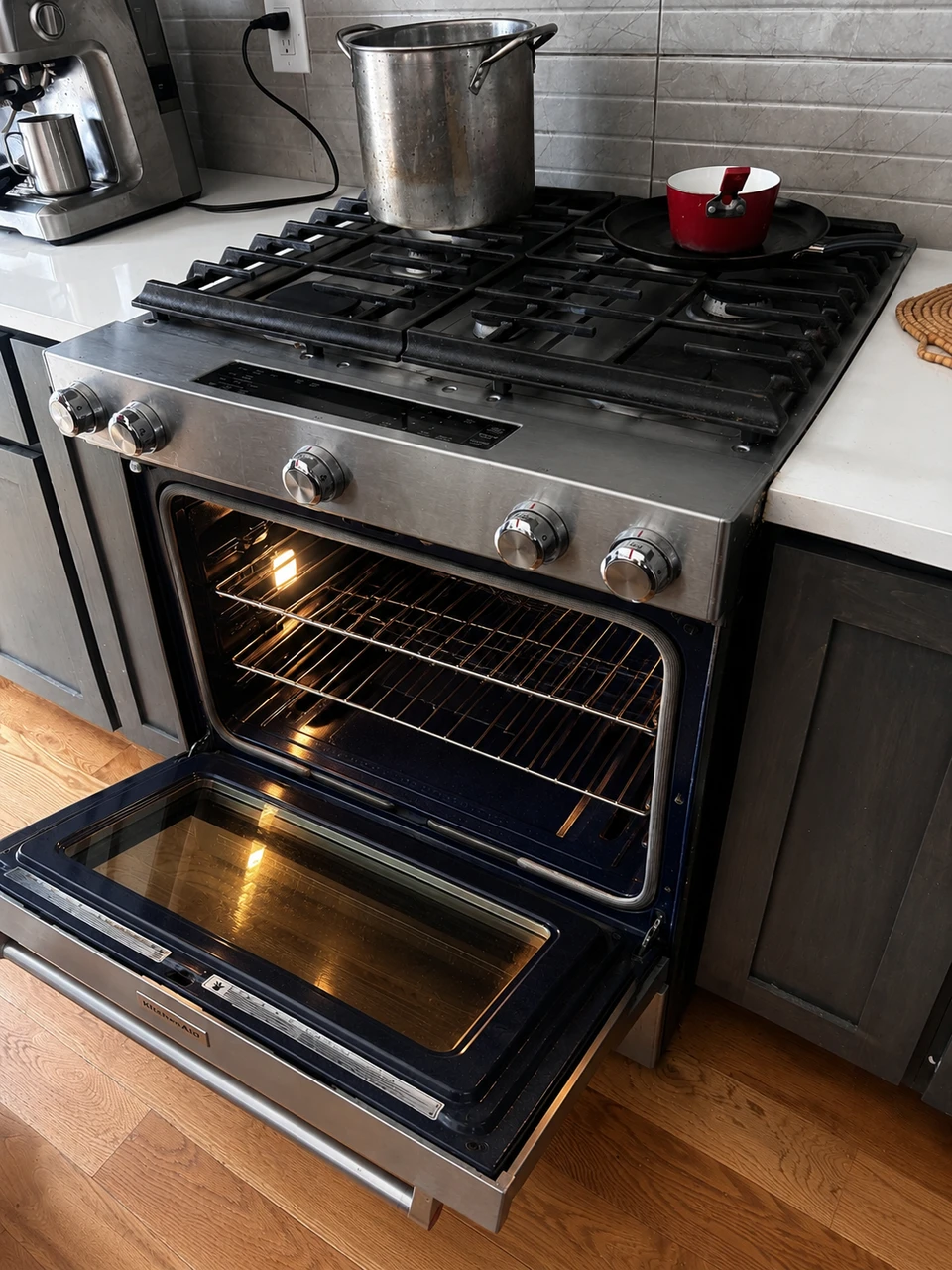
KitchenAid gas range, oven door open for testing 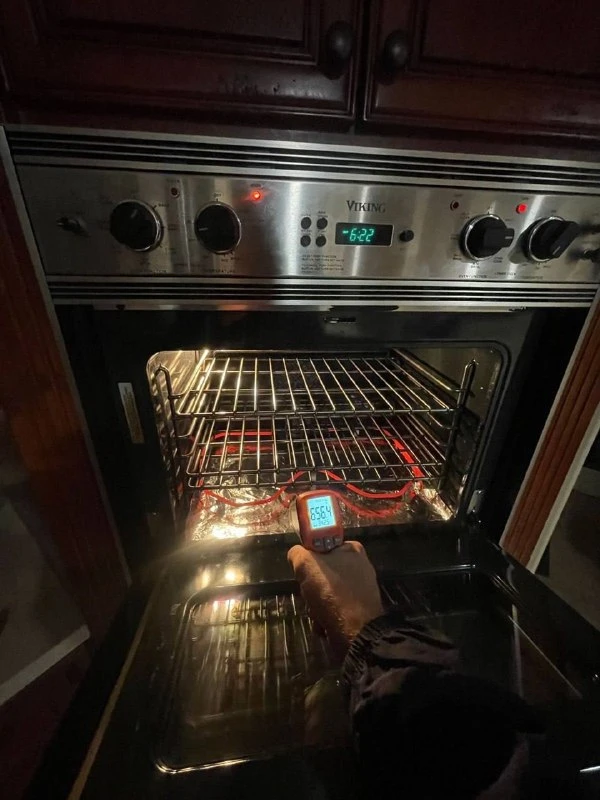
Checking a Viking oven's temperature with an infrared thermometer 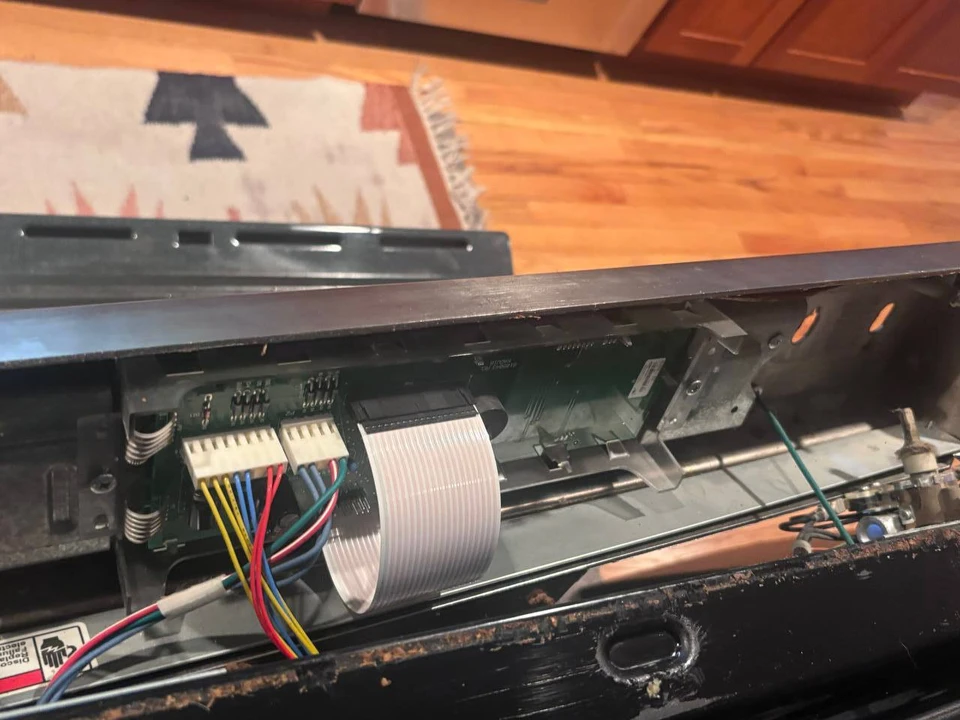
Control panel opened — checking the board and ribbon cable
Recognize the Problem?
Book Oven Repair in Denver
Tell us what's happening — we'll call you back to confirm a time.
(720) 285-3573Denver Homes
How Do Denver Homes Change Oven Repair?
The age of the house, the altitude and the water supply all leave a mark on how an oven behaves and where your technician starts looking.
Century-Old Brick, Brand-New Builds
The city stretches from LoDo, the original settlement with many of its oldest buildings, to Washington Park's brick houses built between 1900 and 1940, out to new homes in Central Park and Green Valley Ranch. In an older house, the oven is always a later arrival, and it may sit on wiring or a gas line that was added during a remodel. In a new build, the range or wall oven the builder chose is often still in place, and its electronic controls and hidden bake elements fail in different ways than an older oven's simple parts. Knowing which kind of kitchen we are walking into tells your technician whether to look first at connections and supply or at boards and sensors.
Gas Flames at 5,280 Feet
At a mile up, the air is thinner, and gas burners generally burn differently than they do at sea level. Some manufacturers call for a high-altitude setup on gas ovens, and that work follows the instructions for your specific model. Dry Colorado air also pulls moisture out of batters and roasts, so a dense cake or a dry loaf is often a recipe question rather than a broken thermostat. Your technician separates the two by measuring what the oven actually does before suggesting any part.
Mountain Water Inside a Steam Oven
Denver Water draws on mountain snowmelt, and its water runs from soft to moderately hard, with a tendency to form scale. A standard bake-and-broil oven never touches that water, but a steam oven or a steam-assist range does, through reservoirs, pumps and steam generators where minerals can build up. Descaling on the schedule in your owner's manual keeps those parts working. In condos and rentals, where several people may share one kitchen, that routine is easy to forget, so it is worth noting when you book.
Error Codes
Oven Error Codes by Brand
Official codes from each manufacturer, with what to try first, are on our oven repair page. Common ones at a glance:
GE · Monogram
F1 · F2 · F3 and more
Samsung
door · -dE- · C-24 and more
Bosch
e011 · e005 · e101 and more
Dacor
C-d0 · C-d1 · C-21 and more
Thermador
E · E0211 · E11 and more
Wolf (range)
Err · Err · Err and more
Wolf (wall oven)
F1 · E10 · E17 and more
Repair or Replace?
When Does Fixing an Oven Stop Making Sense?
The typical lifespan shown beside this section comes from an NAHB study, and it describes an average oven rather than predicting the end of yours. Age matters, but so does the specific failure. A single worn igniter or element in an otherwise sound oven is usually a clear case for repair, while a cracked cavity, a warped door frame or several systems failing at once tilt the decision toward replacement. Comparing the firm repair quote against the full cost of a new unit, including delivery, installation and any gas or electrical work, gives you an honest picture.
Where the oven sits weighs as heavily as how old it is. Built-in wall ovens and units with custom panels usually favor repair, because a replacement has to fit the existing cutout, the electrical or gas supply and the trim around it, and a mismatch can turn into carpentry. On the other side, parts for some older models become hard to find, and a newer oven may use energy more efficiently. Your technician will tell you plainly which way the evidence points, and the decision stays yours.
Typical oven lifespan
~13–15 yrs
Source: NAHB study, electric–gas. Real life varies with brand, use and maintenance.
Built-In & Luxury
Built-In Ovens Framed by Fine Cabinetry
Ovens from Wolf, Thermador, Miele, Viking, Dacor, Monogram and JennAir are often set into cabinetry with narrow reveals, matching panels and finished trim. In the rebuilt larger homes of Hilltop and the established houses of Cherry Creek and Country Club, that cabinetry can be as much a part of the kitchen as the oven itself. When a repair requires sliding the unit out, it has to be supported properly, the face frames and trim protected, and the electrical connection handled with care. Rushing that step can leave a scratch that costs more to match than the part did to replace.
Many of these lines include steam ovens and speed ovens, which carry systems a standard oven lacks: water reservoirs or plumbed supply lines, pumps and steam generators in one, microwave components alongside conventional heat in the other. Microwave parts hold dangerous high voltage and should only be opened by a technician. Each brand has its own diagnostic steps and service information, so we follow them rather than guessing. Every repair uses genuine OEM parts, which keeps the fit, the calibration and the controls working the way the manufacturer designed them.
Before You Call
Five Safe Things to Try First
- 1Open the panel door and look at the oven's breakerMany electric ovens run on a double breaker, and if one half trips, the clock can stay lit while the elements stay cold. Reset it once only if there was no spark or burning smell.
- 2Hunt for a lock icon or special mode on the displayA control lock, Sabbath mode or a forgotten delay-start timer can make a healthy oven ignore every press. Your manual shows how to clear each one.
- 3Try the cooktop before blaming the ovenOn a gas range, if the top burners won't light either, make sure the shutoff valve behind the range is open. The trouble may be the gas supply, not the oven.
- 4Run a thermometer testSet an oven thermometer on the middle rack and read it after a full preheat. That tells you whether the oven is truly off temperature or the recipe needs an altitude tweak.
- 5Peek at the gasket and element once coolWith the oven off and fully cool, look for a torn or flattened door seal or a blistered, cracked bake element. Mentioning what you see when you book helps your technician bring the right part.
Brands
Oven Brands on Our Service List
We work on everyday ranges and wall ovens from Whirlpool, GE, Frigidaire, KitchenAid, Maytag, LG and Samsung, along with premium built-in lines. Choose your brand below for model notes and the error codes its controls tend to display.
What to Expect
What the Visit Looks Like
Book online or call or text (720) 285-3573, pick a window that works for you, and your technician arrives with tools and common parts, asks what the oven has been doing and tests the suspect components where they sit. You hear what failed and why in plain language, and nothing begins until you approve a firm quote.
- Diagnostic visit
- $85Credited toward the repair if you go ahead
- Your price
- Firm quoteApproved by you before any work
- Warranty
- 90 daysParts and labor
- Parts
- Genuine OEMMatched to your model number
Membership
PointLine Care Club
One service call is $85. For $99 a year, every service call is free.
- Free service calls all year — no $85 fee
- 1 free maintenance visit a year
- 10% off labor on every repair
$99/ year
One household · renews yearly · cancel anytime before renewal
Property manager or landlord? See our Property Care Club →
Service Area
Denver ZIP Codes We Serve
Oven Repair at homes, condos and rentals in every part of Denver.
- 80202
- 80203
- 80204
- 80205
- 80206
- 80207
- 80209
- 80210
- 80211
- 80216
- 80218
- 80219
- 80220
- 80222
- 80223
- 80224
- 80230
- 80231
- 80236
- 80237
- 80238
- 80239
- 80246
- 80249
- 80212
- 80221
- 80227
- 80235
- 80247
Including LoDo (Lower Downtown), Central Park, Lowry, Capitol Hill, Cherry Creek, Washington Park, Park Hill, Highland, Sloan Lake, University Park, Green Valley Ranch, Hampden, Bear Valley, Hilltop, Country Club.
Related Repair Guides
FAQ
Before You Call: Denver Oven FAQs
Oven questions from Denver homeowners.
Which ZIP codes do you cover for oven service?
We serve 80202, 80203, 80204, 80205, 80206, 80207, 80209, 80210, 80211, 80216, 80218, 80219, 80220, 80222, 80223, 80224, 80230, 80231, 80236, 80237, 80238, 80239, 80246 and 80249, plus the parts of the city in 80212, 80221, 80227, 80235 and 80247. That includes neighborhoods such as University Park, Green Valley Ranch, Hampden, Bear Valley and Hilltop. If you aren't sure about your street, call or text and we'll confirm.
My oven sits in an older brick house near Washington Park. Does that change the repair?
It can, mostly around the connections rather than the oven itself. In houses that were built long before modern ranges, the oven's wiring or gas line was added during a later remodel, so your technician checks the supply and connections along with the oven. The parts inside the oven are repaired the same way as anywhere else.
We have a built-in oven in a rebuilt Hilltop home. Can you service it without damaging the cabinets?
Yes, careful removal is part of the job. When a repair requires pulling a built-in out of its cutout, we support the unit properly and protect the face frames, panels and trim. Many repairs can also be done with the oven still in place.
Does a gas oven need adjusting at 5,280 feet?
Some do, depending on the manufacturer. Certain models call for a high-altitude setup on gas ovens, and your technician follows the instructions for your exact model. A flame that looks yellow, lazy or lifting off the burner is worth a call rather than a do-it-yourself adjustment.
I own a rental condo and my tenant says the oven won't heat. How does that work?
Your tenant can book the visit, and the firm quote goes to whoever you designate before any work begins. Let us know when booking who approves repairs and how to reach you. Your technician explains the fault so you can decide without guessing.
My oven still bakes but runs hot and smells odd. Can it wait?
A mild temperature drift can wait a short while, but an odd smell deserves prompt attention. Check with a thermometer and stop using the oven if you notice a burning or electrical smell, sparking or a gas odor. In those cases, follow the safety steps on this page and call or text us.
More in Denver
Other Repairs We Handle in Denver
Oven acting up before the dinner rush?
Book online or call or text (720) 285-3573 anytime, and we'll find the real fault and give you a firm price before any work begins.